
Summary
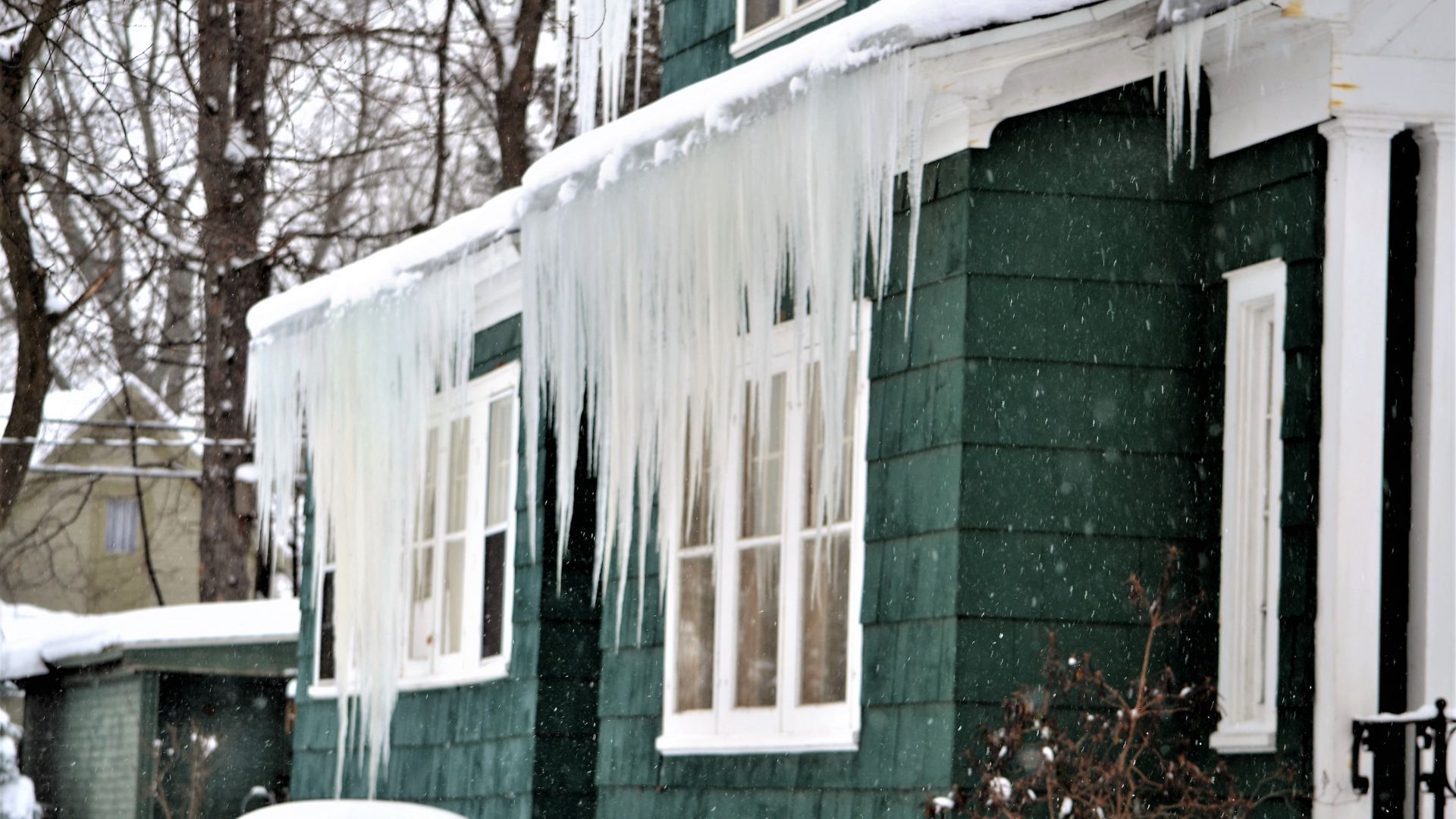
Icicles along the roofline are one of the clearest early warning signs of an ice dam. Heat escaping into the attic melts snow near the ridge, and that runoff refreezes at the colder eaves, backing water up under the shingles. Central New York’s snowfall and long freeze-thaw season make this common in older homes. Six factors determine a roof’s risk, including insulation depth, ventilation, and past icicle severity. Insulation and air sealing are usually the most cost-effective fix, not a full roof replacement.
| Time to Read | ~5 minutes |
| What You’ll Learn |
|
| Next Steps |
|
Drive through any Syracuse neighborhood in January, and you’ll see it: a neat row of icicles hanging off the eaves, catching the light like something out of a postcard. Most homeowners drive right past without a second thought. But those icicles aren’t decoration. They’re a warning sign that your roof is losing heat it shouldn’t be losing, and that the ice building up along your gutter line could already be working its way under your shingles.
That’s an ice dam. And in Central New York, it’s less a matter of if than when. A quick roof inspection is the easiest way to stop ice dams from forming and causing even bigger problems for your roof.
What Is an Ice Dam?
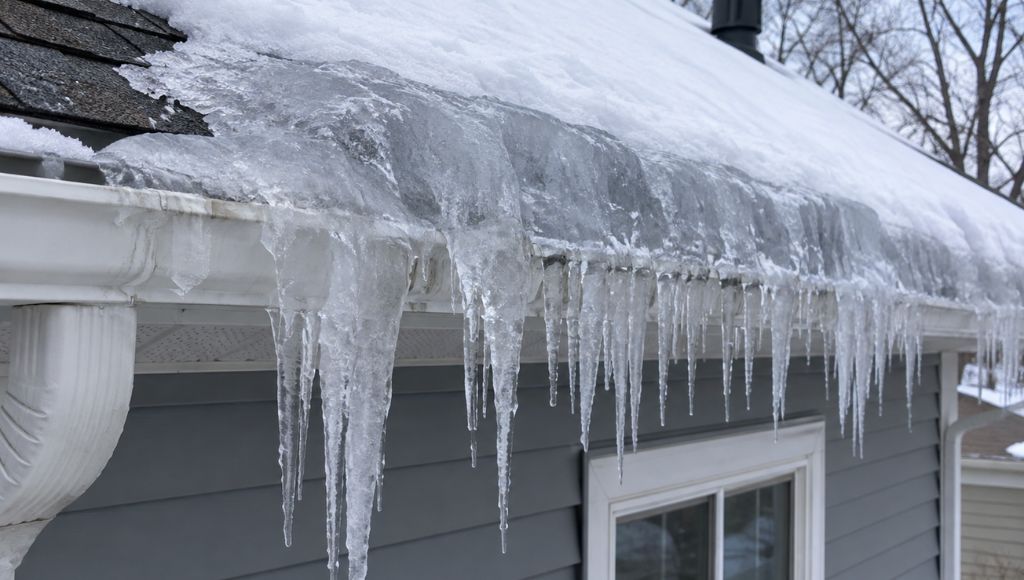
An ice dam forms through a fairly simple, if frustrating, chain of events. Heat escapes from your living space into the attic, usually through poor insulation or gaps around light fixtures and vents. That heat warms the underside of the roof deck near the ridge, melting the snow on top even when the outside air is well below freezing.
The meltwater runs down the roof toward the eaves, where the surface is colder because it isn’t sitting above heated living space. There, it refreezes. Over time, that refrozen water builds into a dam right at the edge of your roof.
Once the dam is thick enough, meltwater backs up behind it instead of draining off the roof. And water that can’t go down will find another way. It works its way under your shingles, through the roof deck, and into your attic, insulation, and eventually your ceilings and walls.
Why Are Ice Dams a Central New York Problem?
Ice dams need two things to form:
- Heavy snow cover
- A repeated melt-refreeze cycle
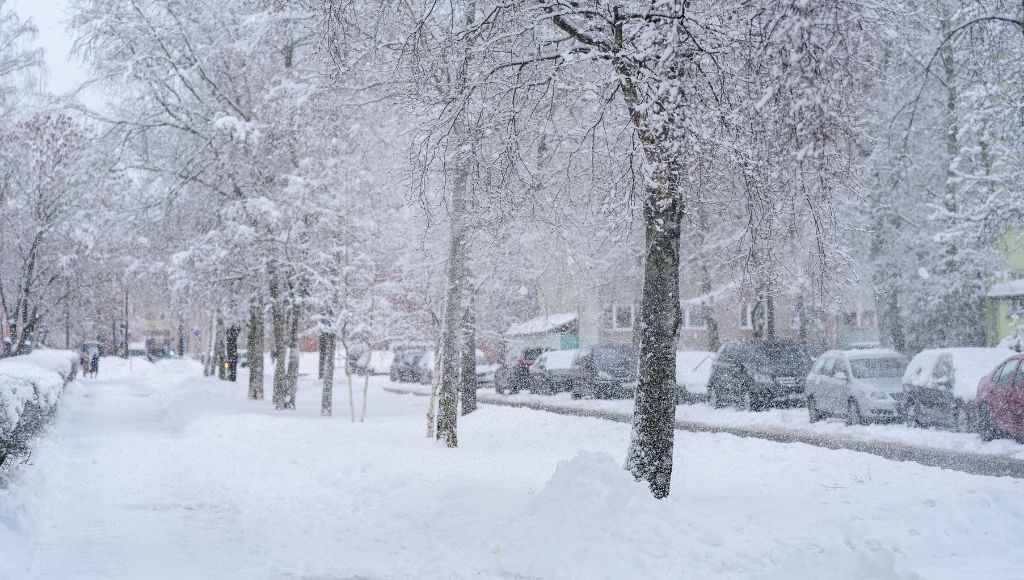
Central New York delivers both. Syracuse sees around 127 inches of snowfall in an average winter, giving roofs plenty of material to work with. January lows average around 17°F, cold enough to keep that refreeze cycle running at the eaves night after night.
Add in a heating season that stretches close to five months, and CNY homes spend a long stretch of winter with exactly the conditions ice dams need, including snow on the roof, heat leaking into the attic, and eaves cold enough to freeze the runoff solid.
Related Reading:
- NYSERDA Insulation Rebates: Get Money Back for Your Home Improvements
- What Is a Blower Door Test (+ Signs You Might Need One)
Score Your Roof’s Risk
Every roof handles this differently depending on how it’s built and how well it’s sealed and insulated. Use the assessment tool below to see where your home stands. It walks through six factors.
What the Assessment Looks At
- Roof style and pitch
- Attic insulation depth
- Soffit and ridge ventilation
- Recessed lights or bath fans venting into the attic
- Gutter guard status
- Icicle severity in past winters

What Is Your Ice Dam Risk?
Ice dams happen when heat from the attic melts snow on the roof, which then freezes again at the eaves. Answer six questions about your roof and attic, and we’ll give you an estimate of your ice dam risk along with some recommendations for where to start. It takes about two minutes.
Valleys and dormers trap snow and heat, so a complex roofline carries more risk than a simple one.
Not sure is a fine answer, and most homeowners have never measured it.
Soffit vents let cold air in at the eaves and ridge vents let warm air out at the peak. They work as a pair.
These are the most common uninsulated heat leaks we find in Central New York homes.
Clear gutters and downspouts give melt water somewhere to go once it reaches the eave.
What you saw last February tells us the most about what the roof is actually doing.
Answer all six questions and your risk tier and ranked fix list appear here.
Each answer feeds into a risk score, along with a ranked list of what would move the needle most for your specific home. The results stay on your screen. Nothing is stored, and you can print or save a summary to bring with you to an estimate appointment.
What Your Score Means
The fix list the tool generates isn't ordered by project size. It's ordered by cost per unit of risk removed, meaning the first item on your list is whatever gets you the most protection for the money, not whatever has the biggest price tag.
The results may not be what you'd expect. Air sealing and attic insulation can rank higher than replacing the roof, even though a new roof might seem like the obvious place to start. If warm air is getting into the attic, fixing that first can help prevent the conditions that lead to ice dams. A new roof on top of a leaky, under-insulated attic just gives the same problem a fresh surface to work through.
The Three-Part Fix
Preventing ice dams comes down to three things working together: insulation, ventilation, and air sealing.
| Component | What It Does | Why It's Not Enough Alone |
| Insulation | Keeps heat in the living space instead of the attic | Doesn't stop the heat that already leaks past it |
| Ventilation | Moves any warm air that reaches the attic back outside before it melts snow | Can't compensate for major air leaks or missing insulation |
| Air Sealing | Closes the gaps (recessed lights, bath fans, attic hatches) that let warm air bypass the insulation entirely | Doesn't address heat loss through under-insulated areas |
The most common wasted spend in this category comes from homeowners tackling just one of the three, usually insulation, and being surprised when ice dams show up again the next winter. Address all three together so the attic stays cold and dry the way it should.
What Not to Do
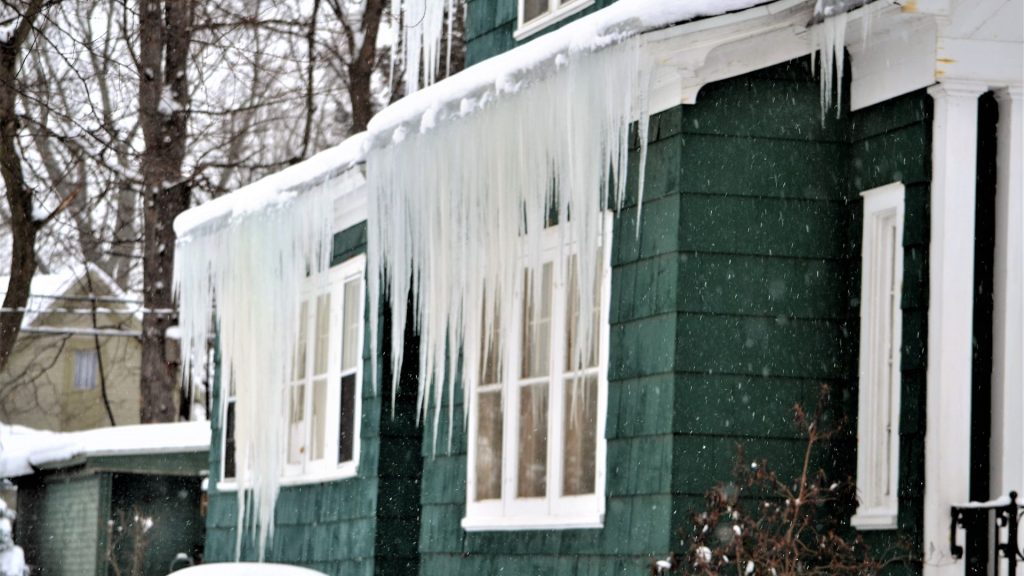
A few common ice dam responses do more harm than good, or just don't hold up over time.
Skip These
- Roof salt pucks. These can help in small doses but do nothing to address the heat loss causing the problem, and overuse can damage shingles and gutters.
- Hacking at ice with a hammer or ice pick. This is one of the fastest ways to damage shingles, and it puts you on a ladder in winter conditions for a problem that will just come back.
- Heat cables as a permanent fix. They can buy you time in a single bad winter, but they're a stopgap, not a solution. Left in as the long-term answer, they mask the underlying insulation and ventilation problem instead of fixing it.
Book Your Free Roof & Attic Assessment Before the First Snow
Ice dams are one of those problems that are a lot cheaper to prevent than to repair. If your assessment score came back in the moderate or high range, or you just want a second set of eyes before the snow flies, Patriot Home Solutions offers free, no-obligation roof and attic assessments across Central New York. Bring your results with you, and we'll walk through exactly what would move your risk the most.