
Summary
Most online heating cost averages blend natural gas, propane, fuel oil, and electric homes into one number, which makes them useless for comparison. Our interactive heating bill calculator compares a Central New York homeowner’s winter heating costs against similar homes by fuel, size, age, and thermostat setting, using EIA, NYSERDA, and NOAA data. A high result most often points to air leaks or thin insulation, and NYSERDA’s Comfort Home and EmPower+ programs can help offset the cost of fixing both.
| Time to Read | ~7 minutes |
| What You’ll Learn |
|
| Next Steps |
|
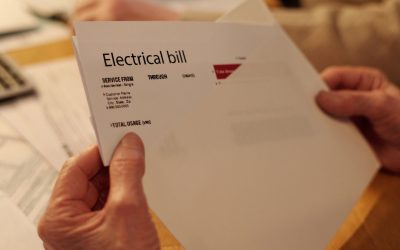
Every February, the same conversation plays out at hockey rinks, in break rooms, and around kitchen tables from Liverpool to Camillus. Someone opens their National Grid bill, winces, and declares it the worst one yet. Everyone else nods in understanding. But how do you know if your bill is actually high? A utility bill shows you what you used and what you owe, but it doesn’t tell you how your home compares with similar homes across Central New York.
If you’ve ever wondered how much your heating bill should be for a house like yours, our free interactive calculator gives you a real point of comparison. And if your number comes back higher than it should be, our residential energy efficiency services can help you find out why.
Why “High” Is Hard to Pin Down

Comparing bills with friends and neighbors falls apart quickly, because the homes involved are rarely alike:
- A 1,400-square-foot ranch in Clay and a 2,600-square-foot colonial in Manlius won’t use the same amount of heat, even if both are well built.
- Much of the housing stock around Syracuse went up before modern energy codes existed. The median home in the city was built around 1958, and a house from that era loses heat differently than one built in 2005.
- A propane-heated farmhouse in Oswego County and a gas-heated home in DeWitt are paying for heat in completely different ways.
The “average heating bill in New York” figures you’ll find online don’t help much either. Most are statewide or national averages that lump Manhattan apartments in with rural homes heated by oil. That number can’t tell you anything useful about a three-bedroom house in Baldwinsville.
Compare Your Heating Bill Against Similar CNY Homes
All you have to do to use our free interactive tool is enter five details about your home and last winter’s bills. The calculator matches you against comparable Central New York homes that use the same fuel, then shows where you land.
| Input | Why It Matters |
| Square Footage | More space means more air to heat, so we compare you with similarly sized homes. |
| Year Built | The construction era strongly predicts insulation levels and how airtight a house is. |
| Heating Fuel | Natural gas, propane, fuel oil, and electric resistance each get their own benchmark. |
| Thermostat Setpoint | A home kept at 72°F costs more to heat than one kept at 66°F, and that difference isn’t a leak. |
| Average Monthly Bill | Use last heating season. If you heat with oil or propane, enter your total delivery cost for the season instead. |
Quick tip: If you’re on budget billing with National Grid or NYSEG, your monthly payment is averaged across the year and won’t reflect what you actually spent on heat. Check the annual usage summary on your bill for a more accurate number.
How does your heating bill compare?
Enter a few details about your home and last winter’s heating costs. You’ll see how you compare with similar Central New York homes that use the same fuel. Nothing you enter leaves this page.
That’s about per month than the median for homes like yours.
Median for homes like yours: per month.
Over ten heating seasons at today’s prices, that gap adds up to about .
This is an illustration at current prices, not a forecast.
This is a modeled comparison built from public data. It shows where you likely stand, but it can’t promise how much you’d save by making any changes.
Schedule Your Free Assessment- Home energy use
- U.S. Energy Information Administration, Residential Energy Consumption Survey (RECS) 2020 public-use microdata. Owner-occupied single-family homes in the Middle Atlantic region (New York, New Jersey, Pennsylvania), excluding heat pumps. Each fuel is compared separately, adjusted for home size, age, and thermostat setting.
- Natural gas
- National Grid Upstate NY average residential heating bill, 2025 ($1.161 per therm, all charges included).
- Electricity
- National Grid Upstate NY average residential bill, Central Load Zone, 2025 ($0.2133 per kWh, all charges included).
- Fuel oil
- NYSERDA Central Region monthly averages, October 2025 to March 2026, weighted by heating demand ($4.027 per gallon).
- Propane
- NYSERDA Central Region monthly averages, October 2025 to March 2026, weighted by heating demand ($3.174 per gallon).
- Weather
- NOAA 1991 to 2020 normals, Syracuse Hancock International Airport (6,588 heating degree days per year).
- Last reviewed
- October 2026. 2024 survey data expected from EIA in spring 2027.
What Your Result Means
The calculator gives you three numbers:
- Your percentile: This shows where you rank among comparable homes. A result in the 80th percentile means your heating costs are higher than 80% of similar Central New York homes using the same fuel.
- The dollar gap: This is the difference between your monthly heating cost and the median for homes like yours.
- The ten-year view: This multiplies that gap across ten heating seasons at today’s prices. It shows what the gap adds up to over time, but it isn’t a prediction of what fuel will cost in 2036.
A result near the median is worth a second look, too. It means your home performs about as well as similar CNY homes, and many of those homes were built decades before anyone was testing for air leaks. The regional average doesn’t always equate to efficiency.
Why Fuel Type Has to Be Separated
Natural gas, propane, fuel oil, and electric resistance heat produce wildly different bills for the exact same house. Blending them into a single average is the main reason most online heating cost comparisons are useless. A propane customer in Cicero who measures against a number dragged down by natural gas homes will always look like they’re overpaying, even if their house is tight and well insulated.
That’s why the calculator benchmarks each fuel separately, using price data specific to Central New York:
| Fuel | How It’s Billed | Where Our Prices Come From |
| Natural Gas | Monthly utility bill | National Grid and NYSEG residential rates |
| Propane | Per delivery | NYSERDA heating fuel price surveys, Central Region |
| Fuel Oil | Per delivery | NYSERDA home heating oil price surveys, Central Region |
| Electric Resistance | Monthly utility bill | National Grid and NYSEG residential rates |
Three Reasons a Home Lands at the High End
If your result puts you well above the median, it almost always comes back to one of three things. Here they are in order of how often we find them in Central New York homes.
1. Air Leakage Through the Envelope
Heat can escape through rim joists, attic hatches, plumbing and wiring openings, and the gaps around your windows and doors. In older Syracuse-area homes, those small leaks can add up quickly. The furnace then has to run longer to replace the heat that’s escaping.
2. Not Enough Insulation
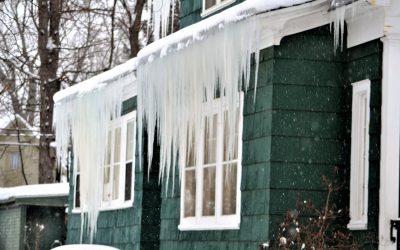
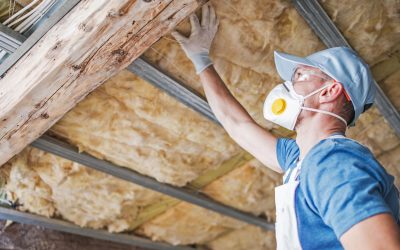
Attic insulation settles and thins over decades, and many homes built before the 1980s have little or no insulation in the walls. Ice dams and freeze-thaw cycles can make it worse by soaking and compressing what’s there.
3. Aging Heating Equipment
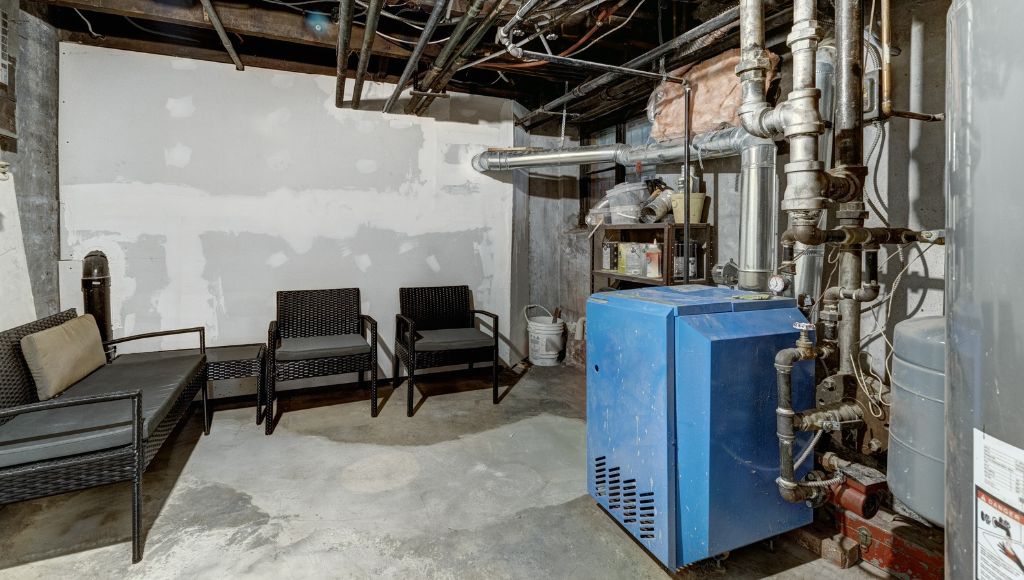
An older furnace or boiler burns more fuel to deliver the same amount of heat. It’s a real factor, but it’s rarely the only one.
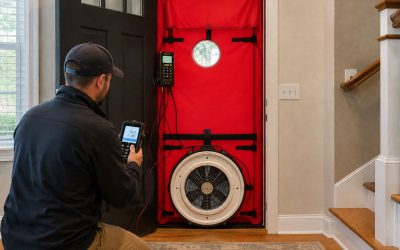
Here’s the part most contractors won’t lead with: the first two problems tend to cost far less to fix than the third. Installing a new furnace in a leaky, under-insulated house means paying to heat air that’s still escaping. A blower door test measures how much air your home loses and pinpoints where, so you know which of the three is driving your number before you spend money on the wrong fix.
Related Reading:
What You Can Do This Winter and What Can Wait

When you act matters almost as much as what you fix.
- If you’re reading this in January or February: You can air seal your home in the middle of winter, and you’ll feel the difference before the heating season ends.
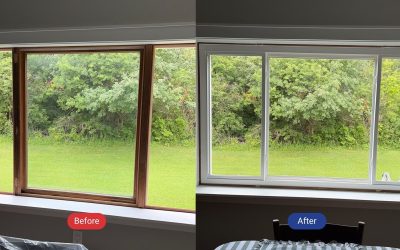
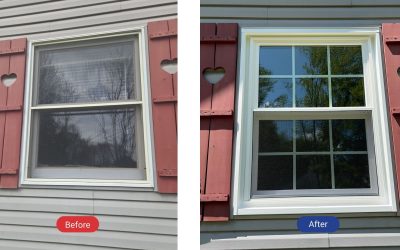
- If insulation or window replacement is on the list: Plan it for spring or early fall. Window installation means opening your walls to the weather, and attic work goes more smoothly when the attic isn’t frozen or sweltering.
Whatever the timing, it’s worth knowing your incentive options first. NYSERDA’s Comfort Home program and EmPower+ can lower the cost of air sealing, insulation, and related upgrades for eligible Central New York homeowners. You can check your rebate eligibility any time of year.
Where the Benchmark Data Comes From
A benchmark nobody can audit is a benchmark nobody believes. Every source behind the calculator is listed in the assumptions panel next to your results, along with the date it was last reviewed:
- Home energy use: U.S. Energy Information Administration, Residential Energy Consumption Survey (RECS)*, Northeast region data by fuel type, home age, and square footage
- Heating oil and propane prices: NYSERDA heating fuel price surveys for the Central Region
- Natural gas and electricity rates: National Grid and NYSEG residential rates
- Weather: Syracuse heating degree day data from NOAA
Our calculator is a modeled comparison built from publicly available data. It adjusts regional survey data for Central New York fuel prices and weather, and it can show you where you likely stand against similar homes in your area, but it can’t promise how much you’ll save by fixing anything, and we won’t pretend otherwise.
*Note: The data in this blog and our interactive tool were taken from the RECS 2020, as the 2024 consumption data has not yet been released. That data is expected in spring 2027.
Find Out What’s Driving Your Number
If your result came back higher than you expected, the next step is learning why.
Patriot Home Solutions offers free assessments for homeowners in Syracuse and across Central New York. We’ll look at air leakage, insulation, windows, and doors, and we’ll check your eligibility for NYSERDA Comfort Home and EmPower+ incentives during the same visit.
You’ll leave with a clear picture of what’s costing you money and which fixes make sense first. Schedule your free assessment with Patriot today.